
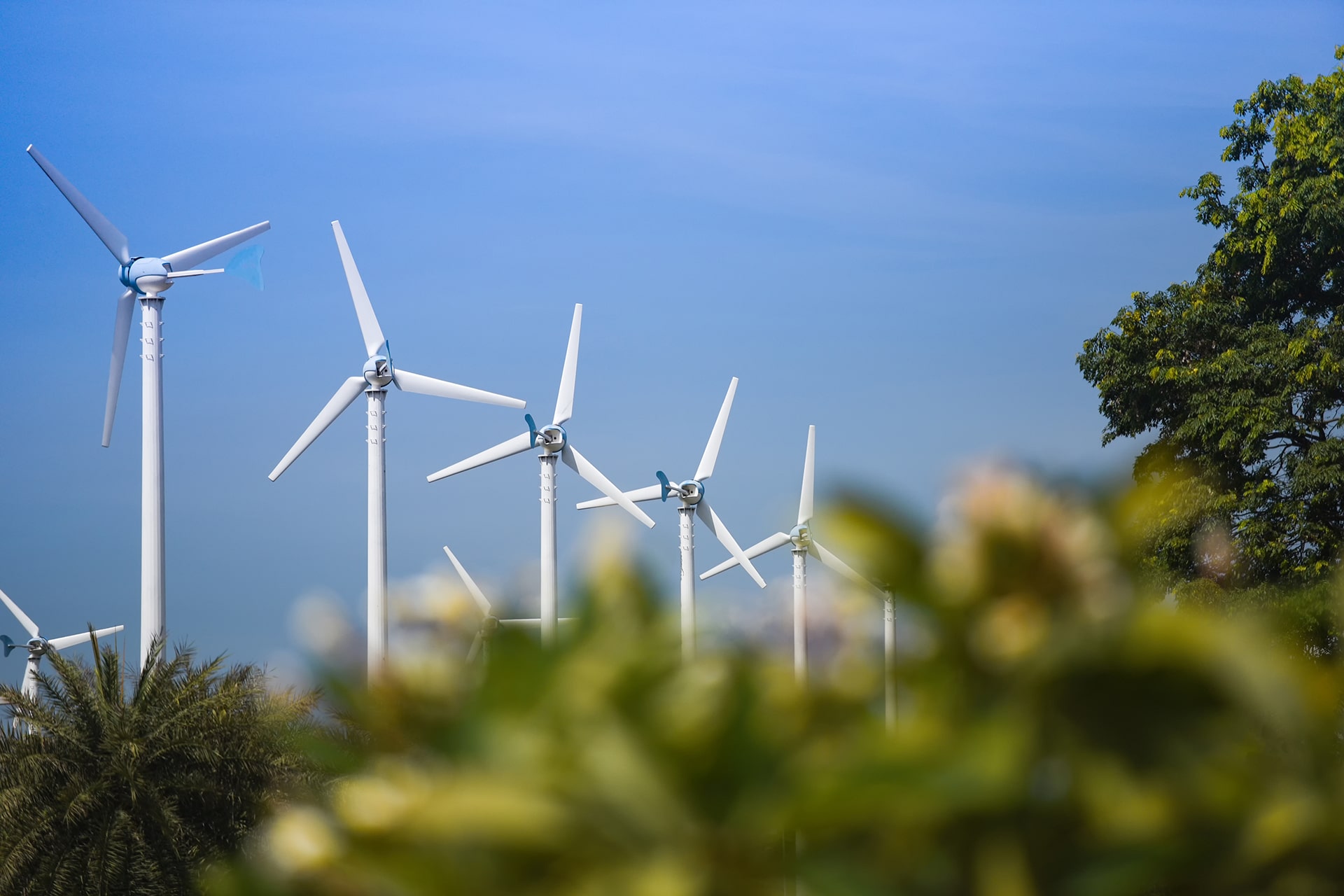
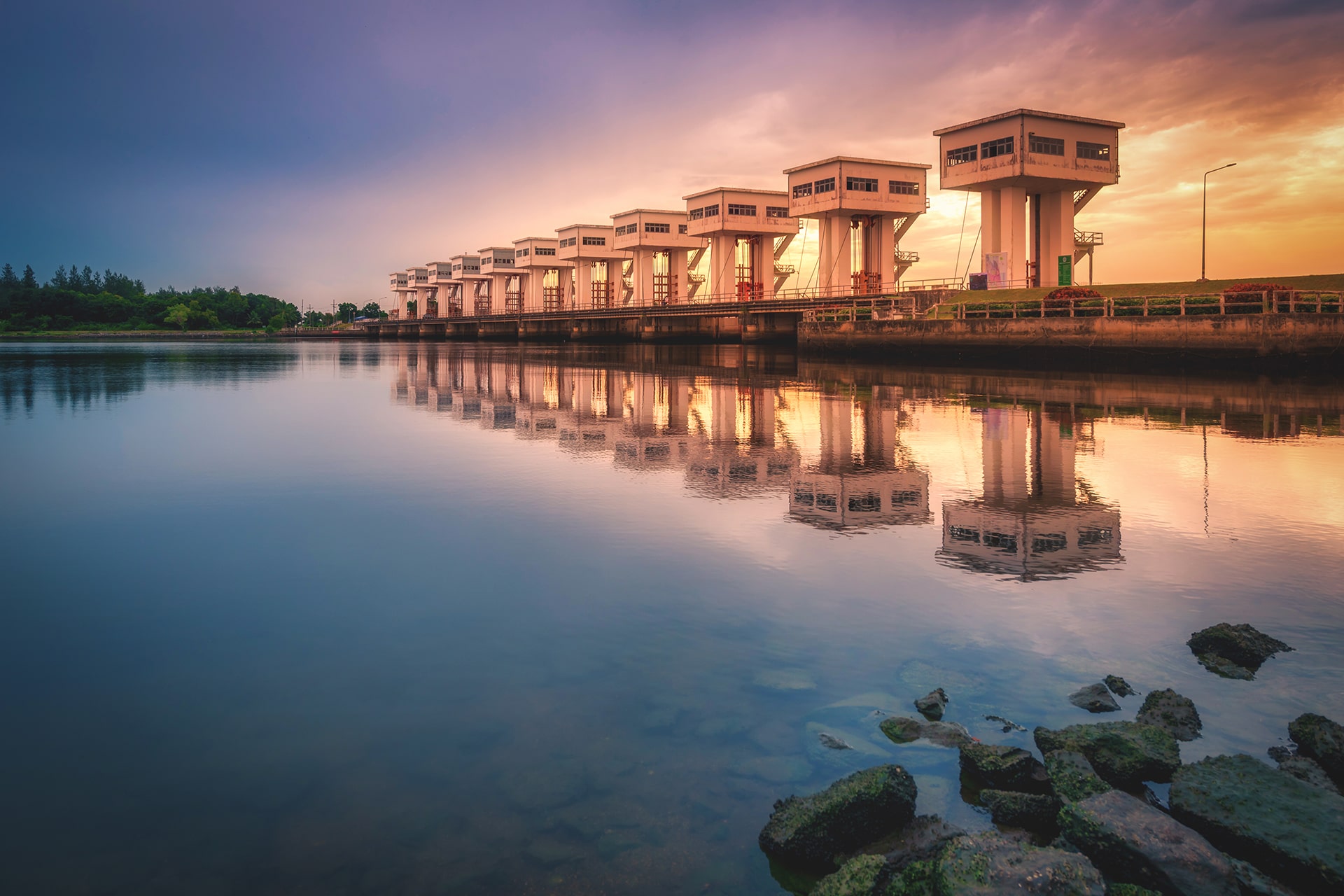
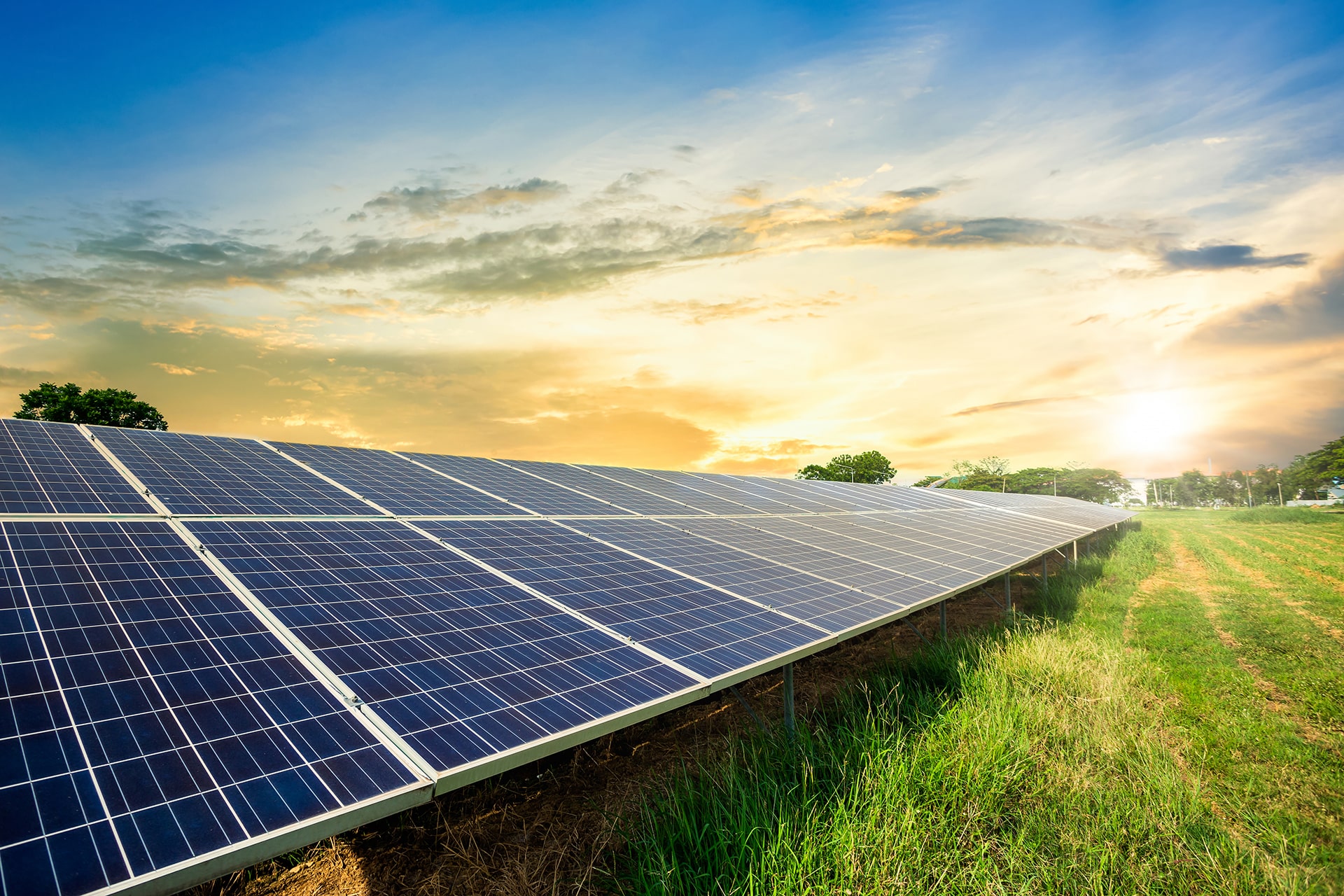
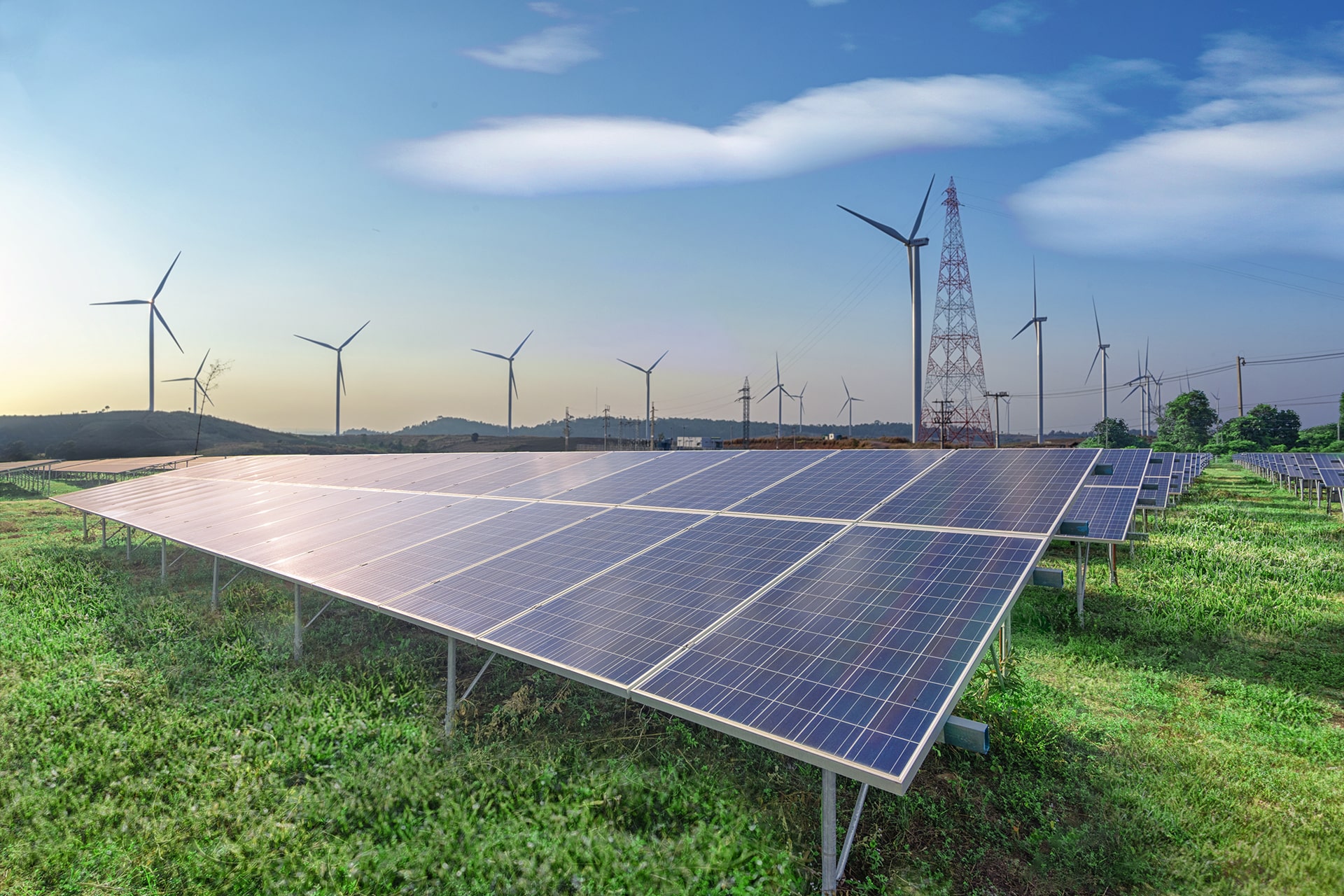
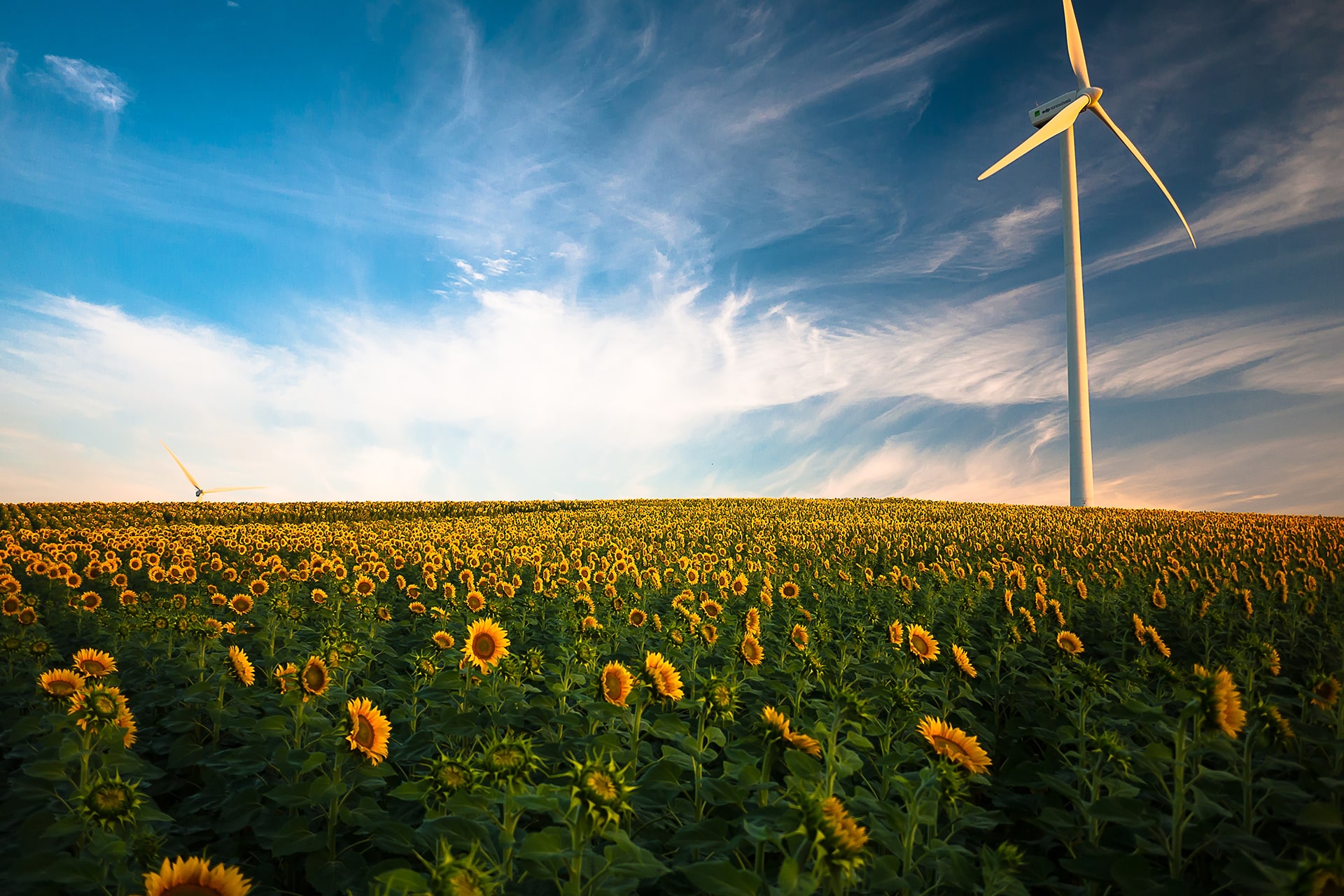

Renewable energy is energy derived from natural sources that are constantly being replenished, such as wind, sunlight, the flow of moving water, and geothermal heat. In contrast to energy sourced from fossil fuels like coal, oil, and gas, which accounts for 75 percent of the harmful greenhouse gas emissions that are causing climate change, energy from renewable sources is cheap, clean and sustainable.
FARIA Renewables is targeting to develop Renewable Energy Source (RES) projects such as Offshore Wind, Onshore Wind, Photovoltaics, Hybrid, Storage, Green H2 and innovative solutions in Greece, Europe and other geographical areas, hence contributing to the transitioning from fossil fuels to renewable energy in all sectors which is key to address the climate crisis.
Faria Renewables ensures that all the projects fully comply with the European and Greek environmental legislation and sets high standards aiming at preservation of biodiversity/natural habitats and wild flora, fauna and bird species, the implementation of the best available practices concerning the mitigation of the environmental impacts and the development of new technological and innovative solutions to preserve the environment and the landscape.
Key Environmental Interventions by FARIA in the Domokos Area
The project has been designed based on the principle of Biodiversity Net Gain (BNG), an internationally recognized approach that ensures any development activity leaves the natural environment in a better state than before. FARIA Renewables implements a sustainability strategy aimed at meaningfully enhancing nature and the ecosystem services of the area.
The environmental interventions being implemented, with the goal of achieving a net positive impact on biodiversity, include:
- Vegetation management without agrochemicals The use of native plant species instead of chemical treatments helps maintain the natural balance of ecosystems, protecting soil and water resources from harmful residues.
- Controlled grazing
Vegetation is managed through controlled grazing by local sheep and goat herds, instead of mechanical or chemical methods. This practice reduces fire risk, supports natural vegetation regeneration, and creates microhabitats for wildlife and pollinators. - Planting and reseeding with native species
To enhance biodiversity and support pollinators, native shrubs, trees, and wildflowers are planted at 20 locations, with emphasis on the four most ecologically suitable areas. These interventions strengthen both natural ecosystems and nearby agricultural crops. - Artificial nesting sites for key species
To support threatened species of the Thessalian countryside, artificial nests are installed at appropriate locations, facilitating their reproduction and survival. These nests mimic natural cavities and complement the other interventions. - “Insect hotels”
Specially designed structures are installed to support pollinators such as bees and butterflies, addressing the lack of natural nesting sites. The planting of nectar-rich species enhances year-round food availability and can increase pollinator activity in crops by up to 25%. - Creation of a pond
A new artificial wetland is created within the agrivoltaic site, functioning as a habitat for amphibians, insects, and birds, thereby enhancing the overall ecological value of the area.